
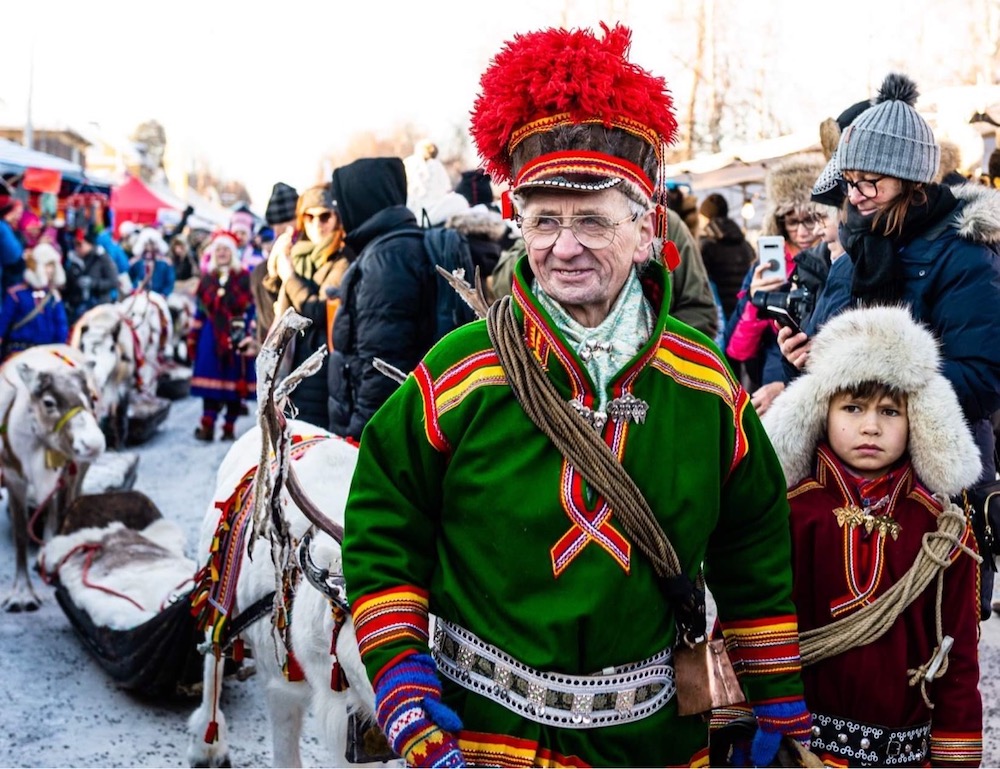
Who are the Saami
Saami culture is steeped in tradition, with the Saami people having lived and worked in northern Sweden for several millennia. Culture is an integral part of the arctic lifestyle of the Saami people in Swedish Lapland.
The Saami are among the indigenous peoples still present in the last wilderness of northern Europe, with indigenous communities living in 90 countries around the world. Although their homeland extends over parts of Norway, Sweden, Finland and Russia, they have their own language, culture and traditions.
Although the majority of the Saami community in Sweden live in Swedish Lapland, which stretches from Sorsele to Skellefteå in the northern province of Västerbotten to the northernmost tip of the country, there are also Saami enclaves in the county of Dalarna in central Sweden.
You may have heard of the Saami as reindeer herders with colorful traditional dress, but their culture is much richer than that. Sapmi, their homeland, is a treasure trove of traditions, religion, skills and culture, similar yet very different to that of other indigenous peoples.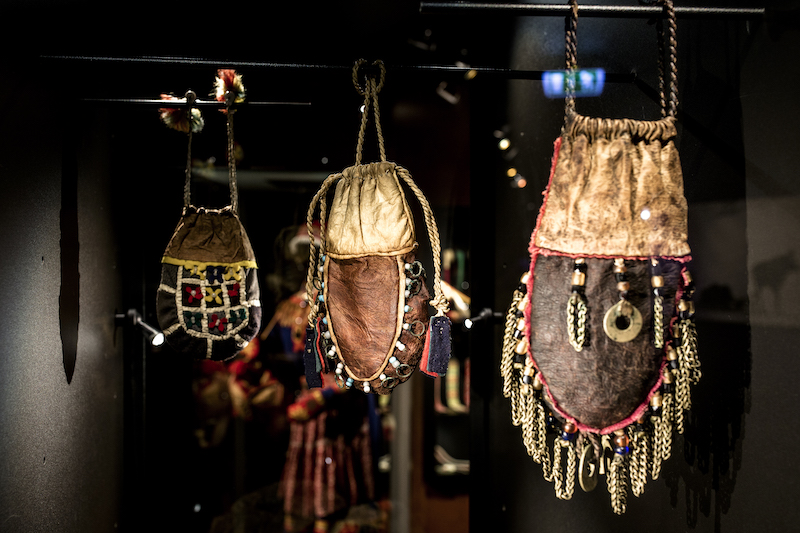
The 8 seasons
Living close to nature will make you realize that the four seasons of the calendar are not enough. The twelve months named by the ancient gods and kings of the Roman calendar have nothing in common with our own. That's why the Saami recognize eight seasons, because there's always a season in between.
At the end of winter, dálvve, the sun, beávie, returns and the days grow longer and warmer.
Spring is just around the corner, but because of the cold nights, the snow persists for a while, called spring-winter, gidádálvve, which is probably the best time for most of us living here in the north.
Then comes May - a period the Saami call Miessemánnu, meaning the time when baby reindeer are born.
Sápmi: a nation without borders
Sápmi is a nation without borders, united by a common language, history and culture. Reindeer are closely linked to man and nature, and Saami culture is ancient.
The word "Saami" is derived from "Sapmi", the name of the geographical region where the Saami traditionally lived, including northern Norway, Sweden, Finland and Russia.
Sápmi has its own flag, in the traditional colors of red, blue, yellow and green. If you look at a map of Sapmi, it can vary depending on the year it was created. In particular, the southern border has varied over the years.
Sápmi is the land, the people, nature, reindeer, animals, light, the midnight sun and the northern lights. It's the warmth of the fire on a cold winter's day and the coolness of the mountain river after a long day's hike in the forest.
Sápmi means clean air, local food, respect for human rights, Saami names, their Duodji crafts, fishing, Saami tourism, the Saami flag and colors, and respect for our environment, whether young or old.
The Saami, a nomadic people
If you're traveling through the Sapmi region or Swedish Lapland, you may hear of the term Sameby, which means "Saami Village" in Swedish. This term can be confusing, as it suggests that there are villages inhabited solely by Saami.
In reality, a Sameby is an administrative and economic association that manages reindeer herding on a specific geographical territory for its members. This territory is used for reindeer herding, fishing and hunting. There are 51 Samebyar in Sweden.
The Saami are a nomadic people who followed the reindeer herds across the vast mountain pastures to the coast. Today, the nomadic lifestyle is history, and most Saami are sedentary.
However, every year, reindeer still migrate from their winter pastures to their summer pastures, as they have done for hundreds of years.

Boazu: the reindeer
Reindeer play a crucial role in Sapmi country. Adapted to Arctic conditions, they have an astonishing characteristic: the color of their eyes changes with the seasons, from blue to yellow and vice versa. In this way, the animal's vision adapts to changes in its environment.
For centuries, reindeer have been a source of food and clothing for the Saami, as well as an object of exchange with other peoples. Originally hunted, they have now been raised for thousands of years in harmony with nature and other animals.
Even today, reindeer husbandry follows the rhythm of the seasons, as the animals are free to roam over vast territories without being confined in enclosures.
In Sweden, there are estimated to be between 250,000 and 280,000 reindeer, a figure that varies from year to year. Nearly 5,000 people are reindeer owners, including those with a single animal.
Both males and females grow antlers that fall off each year. The antlers of large males fall off early in the autumn, enabling them to dig deep into the snow for food over the winter. Females, on the other hand, retain their antlers so that they can hunt large males without antlers to feed their young.
The reindeer's dense coat provides effective protection during the winter months. Their large hooves enable them to run and dig in the snow in search of their favorite food: lichen.
Every year in May, the females head off to the mountains to give birth to their young, who will stay with them until the following year, when their mother will give birth again.
The gákti: the formal costume of the Saamis
You've probably already seen photos or videos of the Saami people wearing colorful traditional costumes. These costumes are called gáktis and are worn at weddings, funerals and festivals. 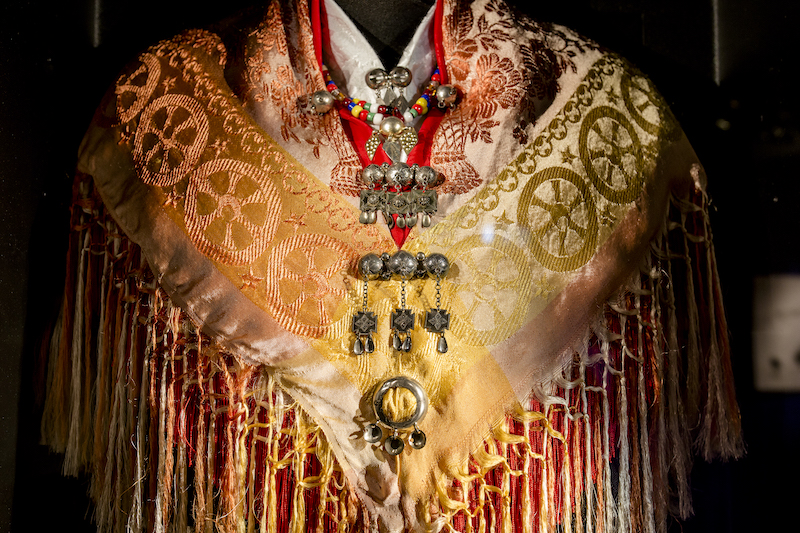
Originally, gáktis were made mainly from the skins, leather and sinews of animals such as reindeer. Wool fabrics and ribbons were purchased from merchants and combined with these traditional materials to make clothing and footwear.
Today, modern materials such as silk and velvet are also popular.
The appearance of the gákti varies according to the region it comes from, gender, age or marital status.
As with any other type of garment, trends and styles evolve, and seamstresses can add their own personal touch. A traditional gákti consists of a belt, shoes, shoe straps, scarf, chest cloth, jewelry, pants and hat.
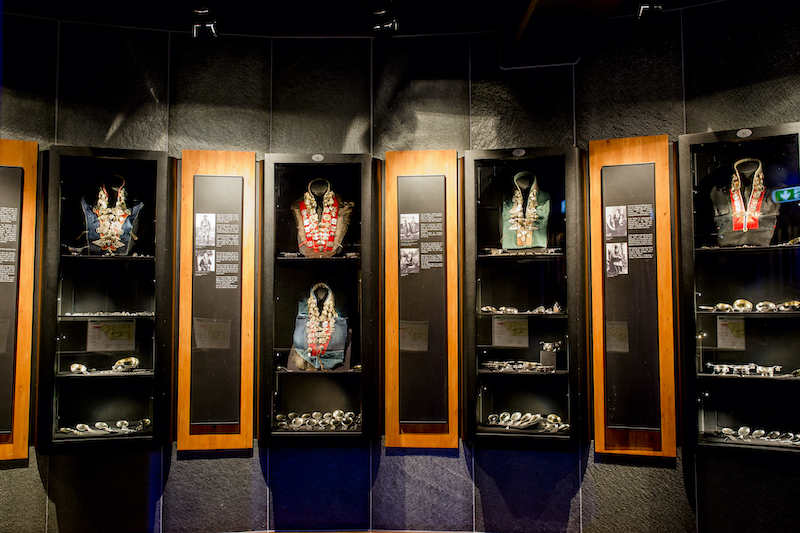
Jewelry is traditionally a symbol of success or wealth. Both Saami men and women wore jewelry, and having lots of it, especially silver, was considered a sign of success.
Saami craftsmanship, or duodji
The duodji is an essential part of Saami tradition and identity. The reindeer, a sacred and revered animal, is used in many aspects of Saami life, including handicrafts. All parts of the animal are recovered and used, from food to materials for handicrafts.
The Saami have always made things with their hands, using readily available materials such as leather, sinew, roots, birch bark and wood to meet their daily needs.
The tradition of Saami craftsmanship has been passed down from generation to generation, with children watching parents and grandparents make objects by hand.
This collective knowledge and tradition is known as ábediehtu among the Saami, and is an integral part of their identity.
Today, Saami craftsmanship is influenced by modern lifestyles and other cultures, but it still requires certain values and style to be considered duodji. Ultimately, Saami craftsmanship is an important means of perpetuating their cultural heritage and unique identity.
Living in harmony with nature
Before the 20th century, many Saami did not live in conventional houses, but rather followed their reindeer herds like nomads.
Today, the Saami people have more stationary dwellings, but they still have camps around summer mountain pastures.
In the past, their lávvu, a Saami tepee, was their main dwelling, dismantled each time they moved to a new location. But the Saami also built wooden constructions with a similar design and interior, giving us a glimpse of their life in Sápmi. The lávvu and goahti always faced east to welcome the sun, beaivi.
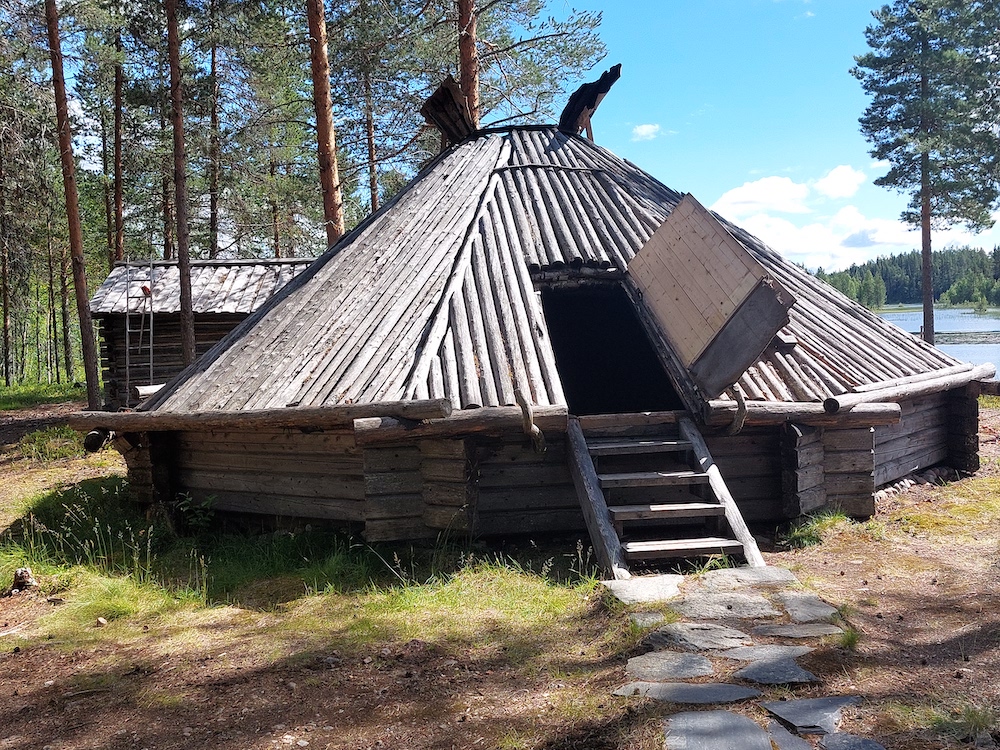
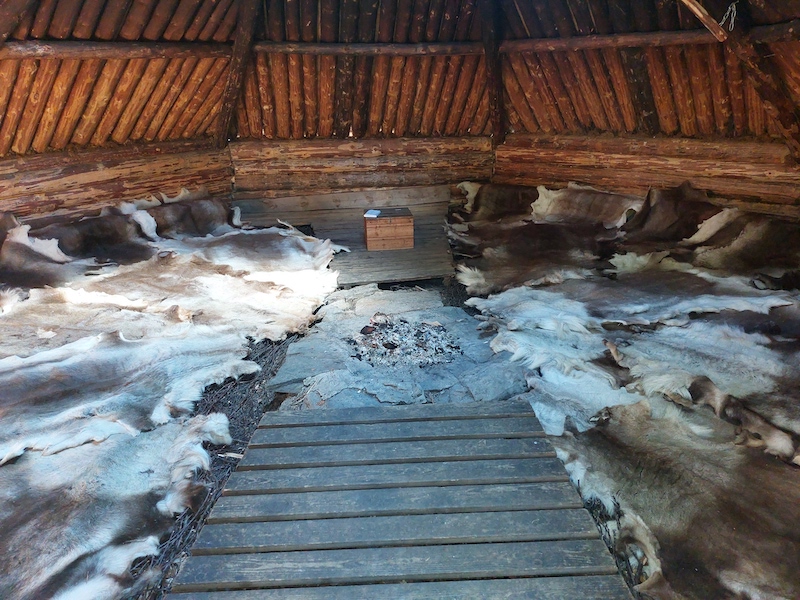
Beaivi is the sun, but also a goddess. For Saami women, some goddesses are more important than others, and they are all connected to the goahti or lávvu.
The mother goddess, Máttaráhkká, lived under the goahti or lávvu, while her daughters, Sárahkká, Uksáhkká and Juoksáhkka, had their own tasks and locations inside.
Sárahkká was the goddess of birth for reindeer and human babies. Uksáhkká was the guardian of the house door, protecting newborns and those entering and leaving the house. Juoksáhkka was the goddess who decided whether the baby would be a boy or a girl during pregnancy.
Another household goddess was Påssioakka, who protected the surface of the kitchen and was also the goddess to please if you wanted a successful hunt.
So it's important to respect authentic Saami culture and customs when visiting Sápmi, the traditional territory of this indigenous people.